1. Describe what you see
Start by telling Portland Biohazard Cleanup Help about the containers, the smell, the location and anyone who has been exposed. The answers shape the plan.
Portland, CT · Lower Connecticut River Valley Planning Region
Found unlabeled jugs, drums or old products in Portland? Do not open or move them. Call (877) 812-4220. Crews sort the containers, remove hazardous waste and clean the surfaces they touched.
If anyone is in danger, call 911 first. For a suicide crisis, call or text 988.
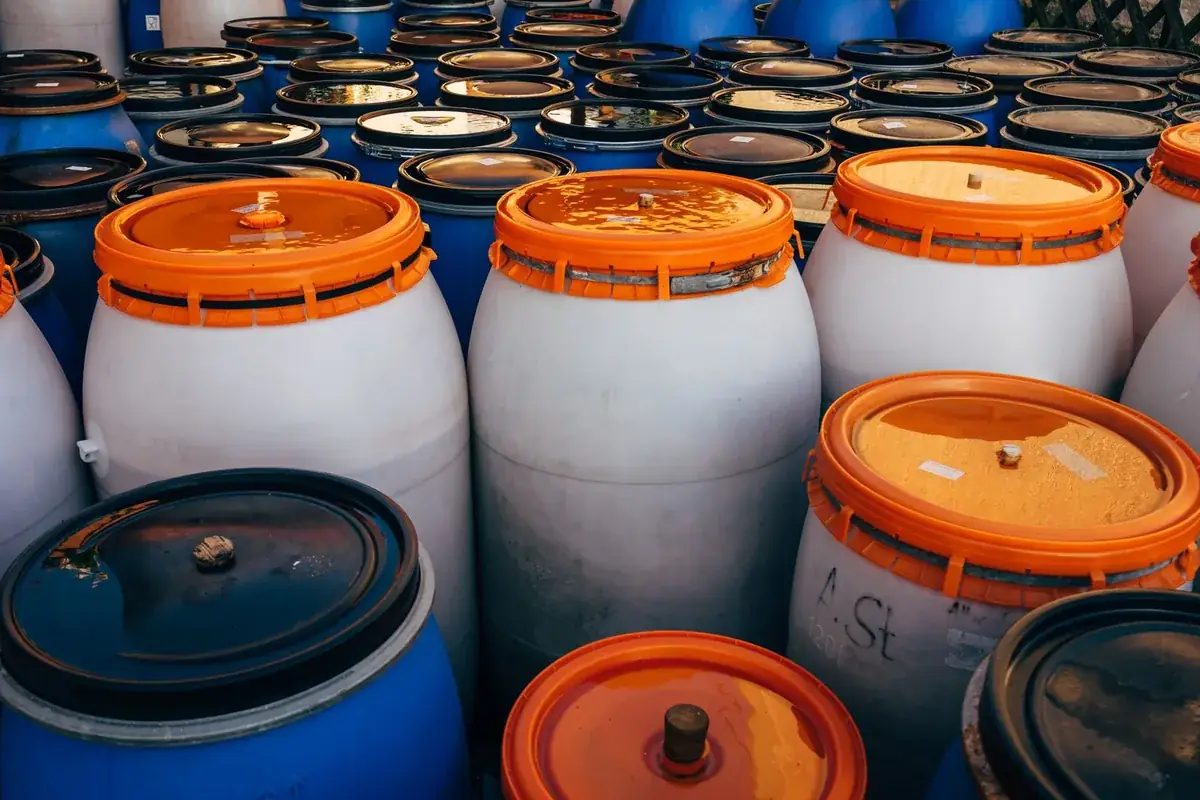
Hazardous waste removal is the process of collecting, sorting, labeling and transporting dangerous materials by the rules that apply to them. It protects people, pets, soil and water from exposure.
When your Portland property has chemical waste that nobody should touch, you get a team with the gear, absorbents and containers to finish the job safely. Call Portland Biohazard Cleanup Help, and you get plain answers and documentation.
About 80% of homes in Portland were built before 1980, and older garages and sheds often hold decades of paint, solvents and pesticides. Vacant homes, about 11% of those in Lower Connecticut River Valley Planning Region, are often cleared before a sale, and chemicals left behind need professional removal.
The work often covers:
Start by telling Portland Biohazard Cleanup Help about the containers, the smell, the location and anyone who has been exposed. The answers shape the plan.
Gloves, eye protection, respirators and chemical-resistant suits go on as the hazard requires. The work zone is marked and ventilation is managed.
Hazardous material, empty containers and soaked items go into sealed drums or bags. Hard surfaces are cleaned, and porous materials that soaked up the substance are removed.
Surfaces are cleaned with methods suited to the substance. Waste is labeled, sorted by type and hauled by the rules that apply.
The cost of chemical & toxic waste cleanup in Portland, CT depends on the amount of material, how it is packed and how it is hauled.
Insurance may help in some cases. Some policies cover sudden spills, and many exclude pollution or long-term leaks, so call the insurer before work starts and keep every receipt.
| Type of job | Typical range |
|---|---|
| Hazardous chemicals | $30 - $50 per barrel |
Estimates only, not a quote. Sources: Fixr. Price drivers include type of chemical, amount, packaging and transport, disposal fees. Call (877) 812-4220 to talk through the job.
The terms overlap. Hazmat usually refers to the wider set of hazardous materials, and chemical and toxic waste describes leftover or spilled chemicals. Both call for careful handling. A local team can explain which term fits your situation.
Keep people away and call 911 if there is danger. Cleanup teams place barriers and absorbents to stop the spread and remove contaminated soil or materials where needed. Local fire and health officials can say what must be reported.
Usually yes. Crews arrive in unmarked vehicles, work quietly and keep the job private. Tell the team at the start if discretion matters, and it will plan around that.
Small spills of familiar household products may be manageable with the label's directions. Unknown, large or hazardous spills are not. Never mix products. If in doubt, leave the area, keep people and pets out and call 911 or Poison Control.
OSHA sets safety rules for workers who handle hazardous substances. Professional crews follow those rules and use gear matched to the hazard. Employers have their own duties, which safety staff or an attorney can explain.
Many jobs take part of a day to a few days. A small spill may be quick. A large release, a soaked site or many unknown containers take longer, and waste pickup can add time. A local team can give a better estimate after seeing the site.
Calls are answered 24/7, and the work is kept discreet.
Call (877) 812-4220